Vinyl is back, and it rewards preparation. Before you commit to a pressing, here's what you need to know about mix considerations, format decisions, lead times, and the real cost of releasing on vinyl — from the mastering side of the process.
Vinyl is back, and it rewards preparation. Before you commit to a pressing, here's what you need to know about mix considerations, format decisions, lead times, and the real cost of releasing on vinyl — from the mastering side of the process.
There's a reason certain albums feel like complete experiences and others feel like a collection of songs that happen to share a release date. Other than the obvious intentionality that comes with making an album, the sequence can be a big part of that story.

Dolby Atmos is the most significant development in music delivery formats in a long time. I'm genuinely excited about where it's going. I'm also going to give you an honest answer about whether it makes sense for your project right now — because the honest answer isn't always yes.
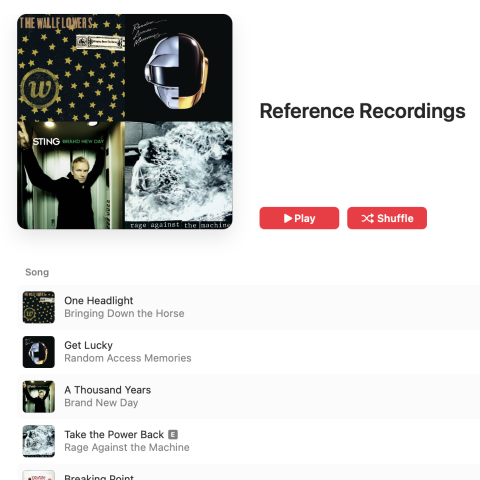
Before I open a client's session, I listen to my references. I've done this almost every working day for over two decades. I think it's good practice, but it all started with a school assignment.
A practical guide from Nick Landis Mastering covering everything you need to send before a mastering session — file formats, headroom, master bus processing, how to communicate intent, and the project information that goes with your masters.

I have a pair of headphones that needs repair. The headphones worked fine for the most part, but the ear pads were falling apart. On this specific model, the Sennheiser HD280 Pro, the ear pads have a faux leather looking outer shell and it deteriorates and flakes off. I finally did the repairs recently and documented the process because if you've been looking at a pair of worn headphones and wondering whether it's time to just replace them, the answer is probably no.
Consistency is one of those words that gets used a lot in mastering, and misunderstood just as often. For some people, consistency means everything should be the same level. For others, it means matching tone from song to song. Sometimes it’s taken to mean removing contrast altogether. That’s not what consistency is for.
In mastering, consistency isn’t about sameness. It’s about making sure the music translates, while still feeling like itself.

By the time a record reaches mastering, most of the obvious creative decisions have already been made.
From the outside, that can make mastering look purely technical, like a final polish, a checklist, a quality-control pass before release. But that view misses something essential.
Atmos isn’t about doing more, it’s about revealing what’s already there. At Nick Landis Mastering, immersive work begins with intention, not excess.
Immersive mastering isn’t the right choice for every project. At Nick Landis Mastering, the question is always whether it serves the music — not whether it’s available.